








Binny's x Art History Collaboration: Fresh Hop Vista

Fresh Hop Vista: The Lager We've Longed to See
The annual hop harvest presents a short window where freshly plucked hop cones can head straight off the bines and into the kettle.
While most hops are picked and processed into dried hop pellets, wet hopped beers are made with freshly picked whole cone hops. Freshly picked hops are highly perishable, so breweries need to be ready to brew within a day or two of harvest. 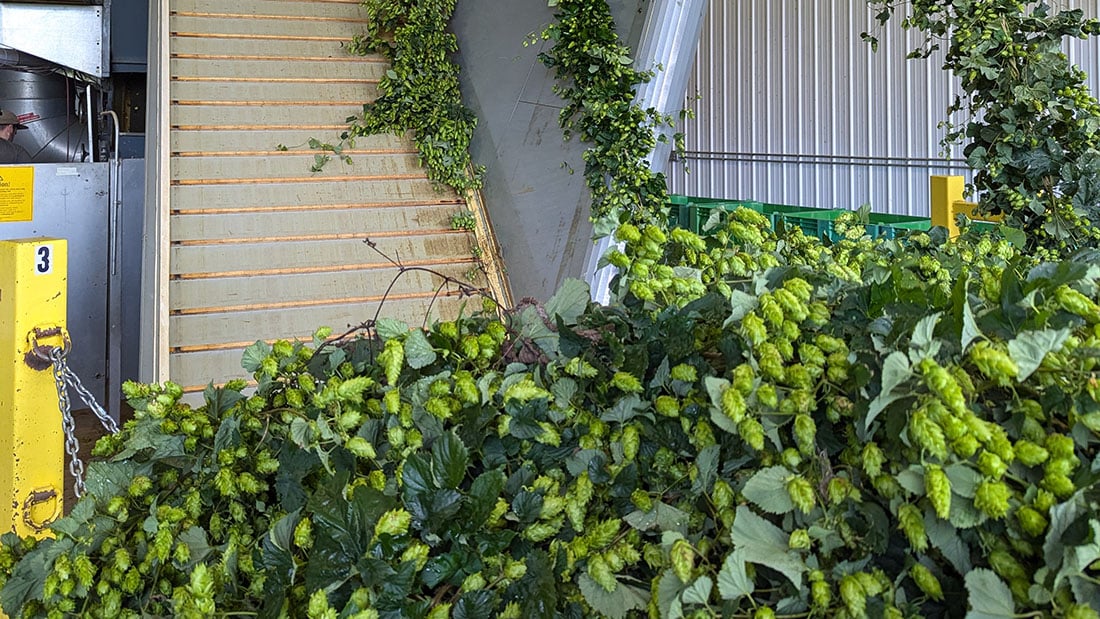
If you’re lucky enough to find a fresh hopped beer, it’s usually an IPA, but we’ve been longing for a fresh hopped lager. Knowing our friends at Art History were fans of Hop Head Farms, we proposed a collaboration.
Hop Head Farms was established in Hickory Corners Michigan in 2011. The rich soil and lake effect weather of Southwest Michigan results in an agricultural climate similar to the Hallertau, the revered hop growing region in Germany. So, we jumped in a van, drove up to the farm and headed back with a bounty of freshly picked Vista hops.
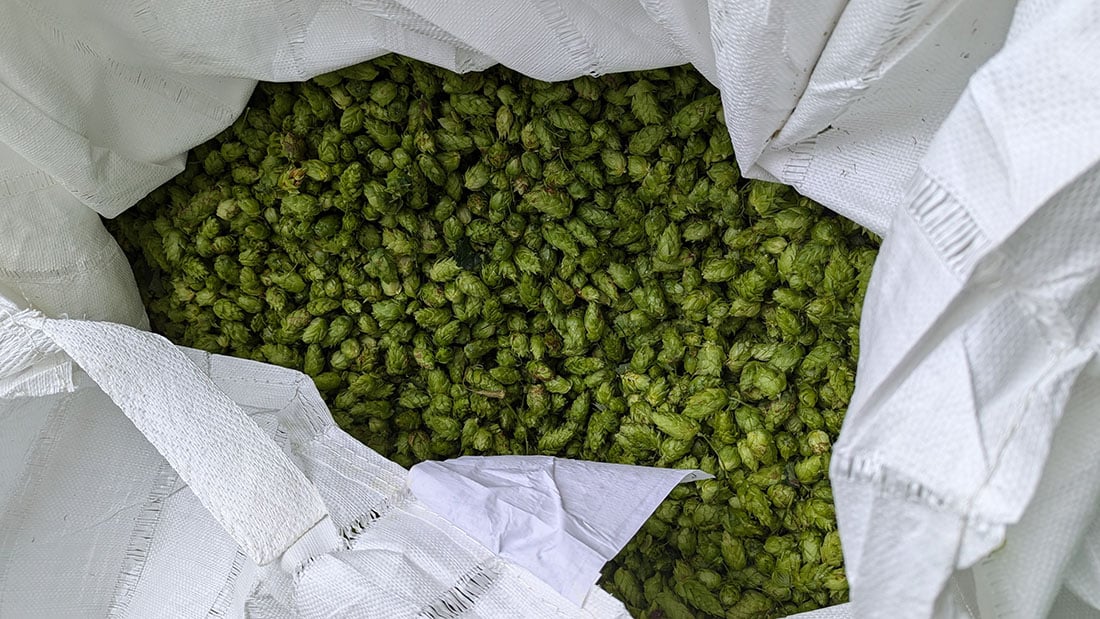 Vista hops are relative newcomer developed by the USDA. The U.S. Department of Agriculture played a crucial role in the development of the craft beer industry. They’re responsible for breeding some of the most recognized hops in craft, including Cascade, Centennial, Crystal, and Chinook. The USDA hop program releases disease resistant aroma hop cultivars into the public domain. Unlike registered proprietary breeds, anyone is free to grow their cultivars. You could plant some Vista hops in your own backyard!
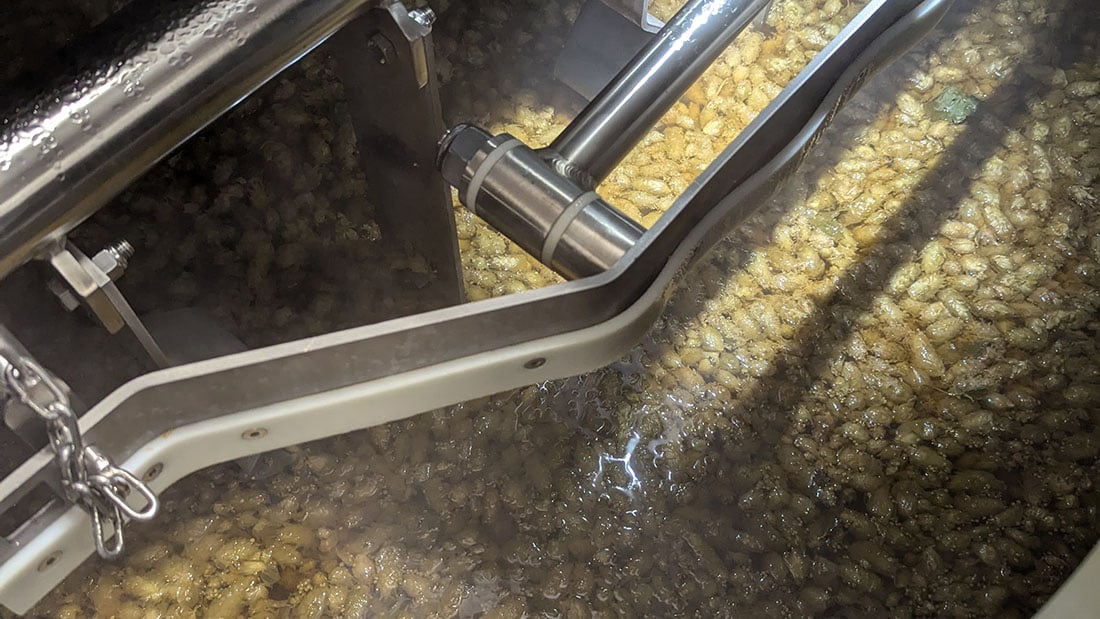 Our freshly picked whole cone Vista hops headed into the kettle the very next day, to serve as the star ingredient in a fresh hopped helles lager. Given the pilsner style is famously hop forward, it might seem surprising that we instead went with a helles. The American craft approach to brewing is famously rooted in experimentation and questioning convention. Pilsner is a very lean beer, making it a little too dry for many people’s palates. A German style helles however provides more malt character to balance out hop bitterness.
After conditioning in the lagering tanks, the wait is finally over. Raise a glass with us, to this melding of classic brewing traditions and Modern American hops - grown right here in the Midwest.


